You can spot some electrical problems before they cause harm. A damaged cable, a socket that feels hot or a circuit that keeps tripping all deserve attention. Other faults are hidden in the fixed wiring and need an electrician to find them through inspection and testing.
Start with what you can see and use every day.
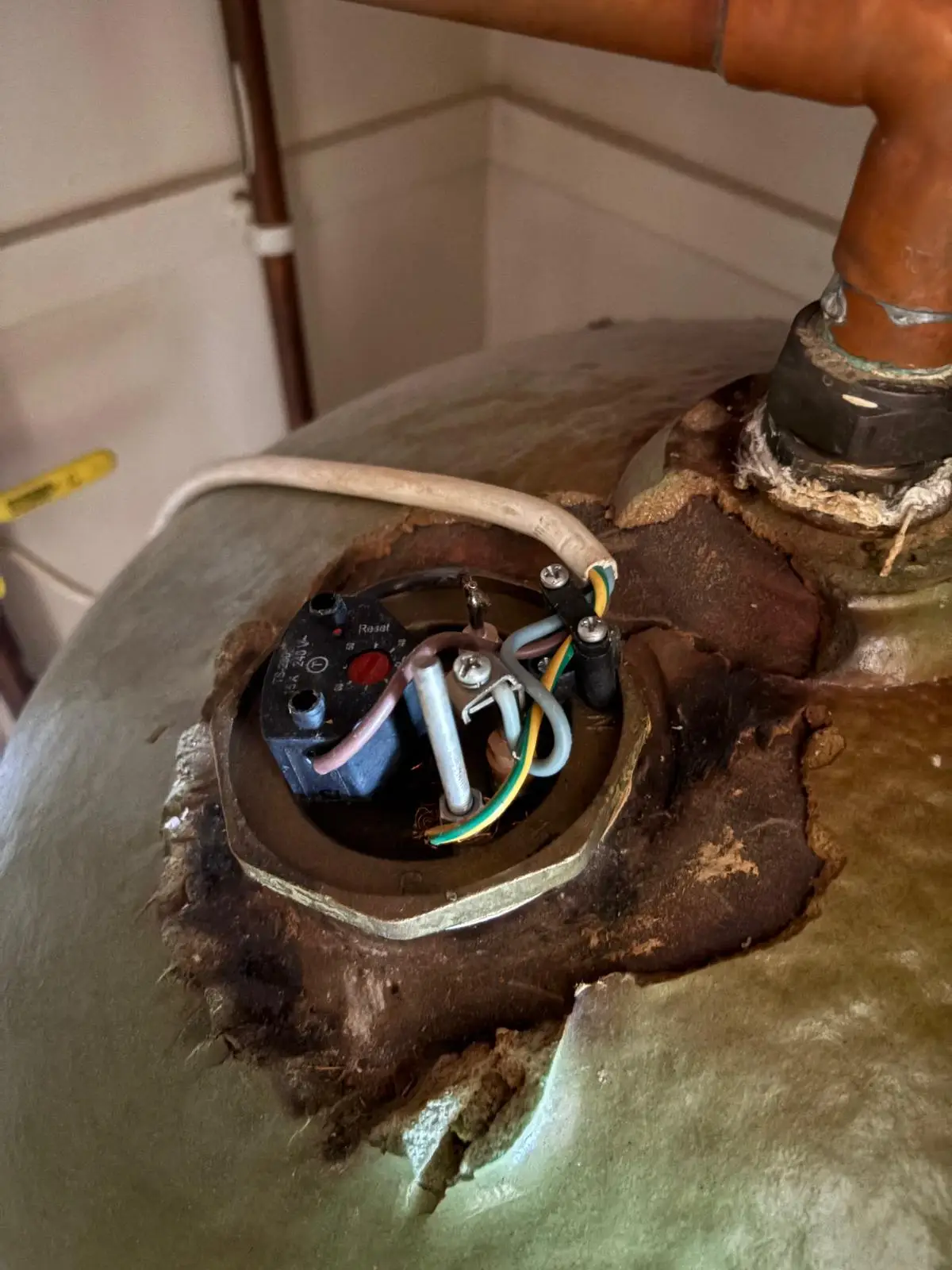
Check plugs, sockets and cables
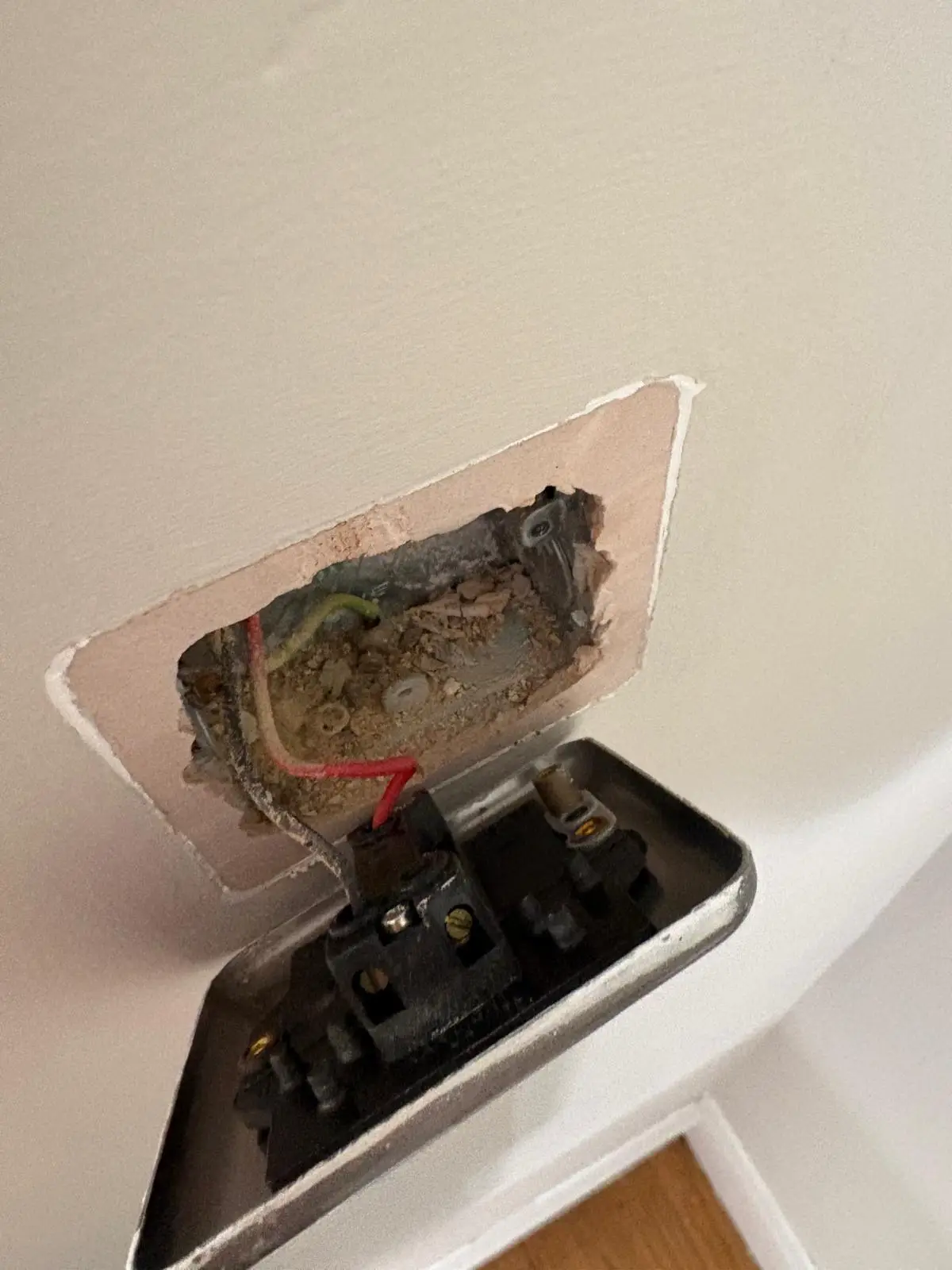
Look for cracked sockets, scorch marks, loose plugs and damaged cable insulation. Stop using an appliance if its plug or cable is damaged. Do not cover the problem with tape or continue using it until you can replace it.
A burning smell, buzzing sound or unusually warm socket may point to an electrical fault. Stop using the affected equipment and arrange for an electrician to investigate. If you see smoke or fire, leave the property and call 999.
Use extension leads carefully
An extension lead does not increase the amount of power a wall socket can supply. Plugging several appliances into it can cause overheating, particularly when they use a lot of electricity. Kettles, heaters and irons are examples to think about.
Check the extension lead’s rating and avoid connecting one extension lead to another. If you rely on an extension lead in the same place every day, ask an electrician whether an additional socket would be practical.
Source: Electrical Safety First, Overloading socketsKeep electricity away from water
Keep plugged in appliances and cables away from sinks, baths and other places where they could get wet. Outside, use equipment and connections suited to outdoor conditions. Do not run an indoor extension lead through a window to power garden equipment.
If water has reached a socket, appliance or part of the fixed wiring, keep clear of it. An electrician should assess affected equipment before you use it again.
Source: Electrical Safety First, Garden safety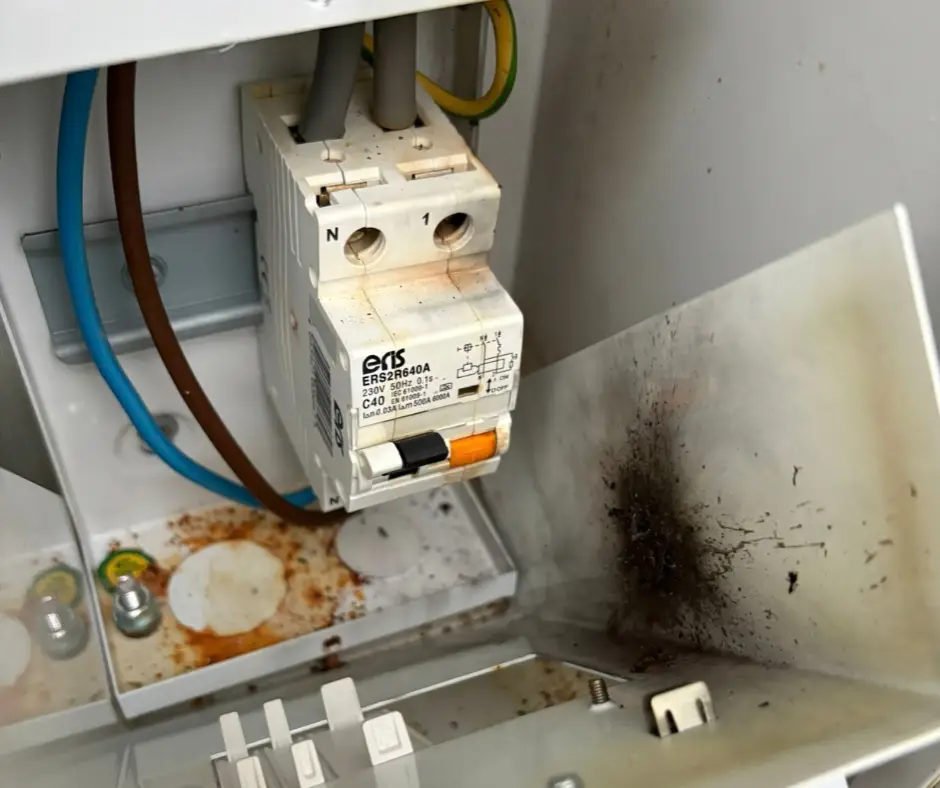
Know what your consumer unit does
Your consumer unit contains devices that disconnect power when certain faults occur. An RCD can reduce the risk of a serious electric shock by cutting off the supply when it detects a fault. Circuit breakers provide protection against overloads and short circuits. These devices have different jobs, so one does not replace the other.
Find out which switches control the main supply and individual circuits before you need to use them. Keep the consumer unit accessible. If a device trips repeatedly, leave the affected circuit off and arrange an inspection rather than resetting it again and again.
Source: Electrical Safety First, Fire prevention tips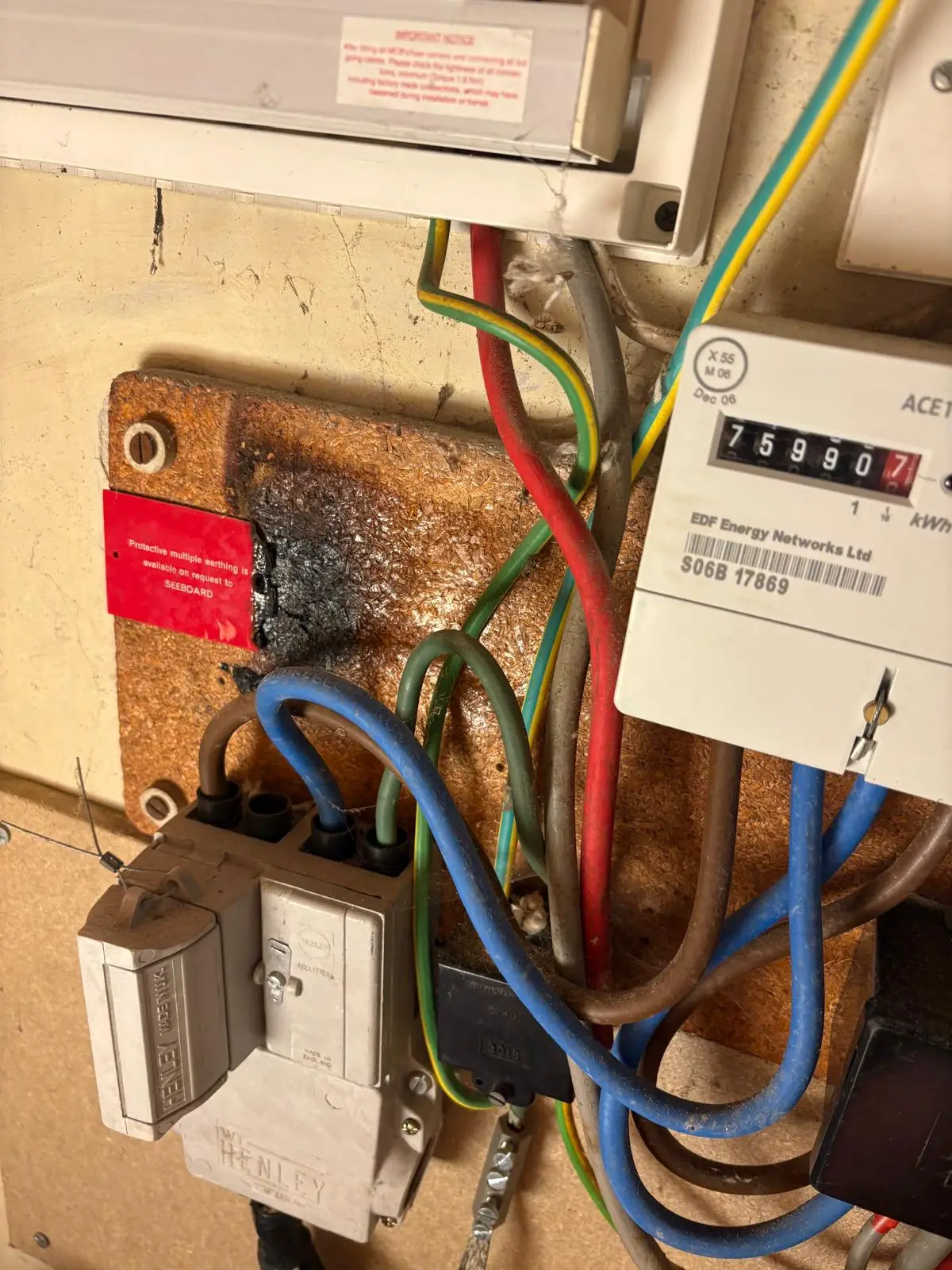
Have concerns checked
An older installation does not automatically need replacing. Equally, lights and sockets can appear to work while faults remain hidden. An Electrical Installation Condition Report, or EICR, records the results of an inspection and testing of the fixed installation. The findings can help you decide what work, if any, is needed.
Source: Electrical Safety First, Your questions answered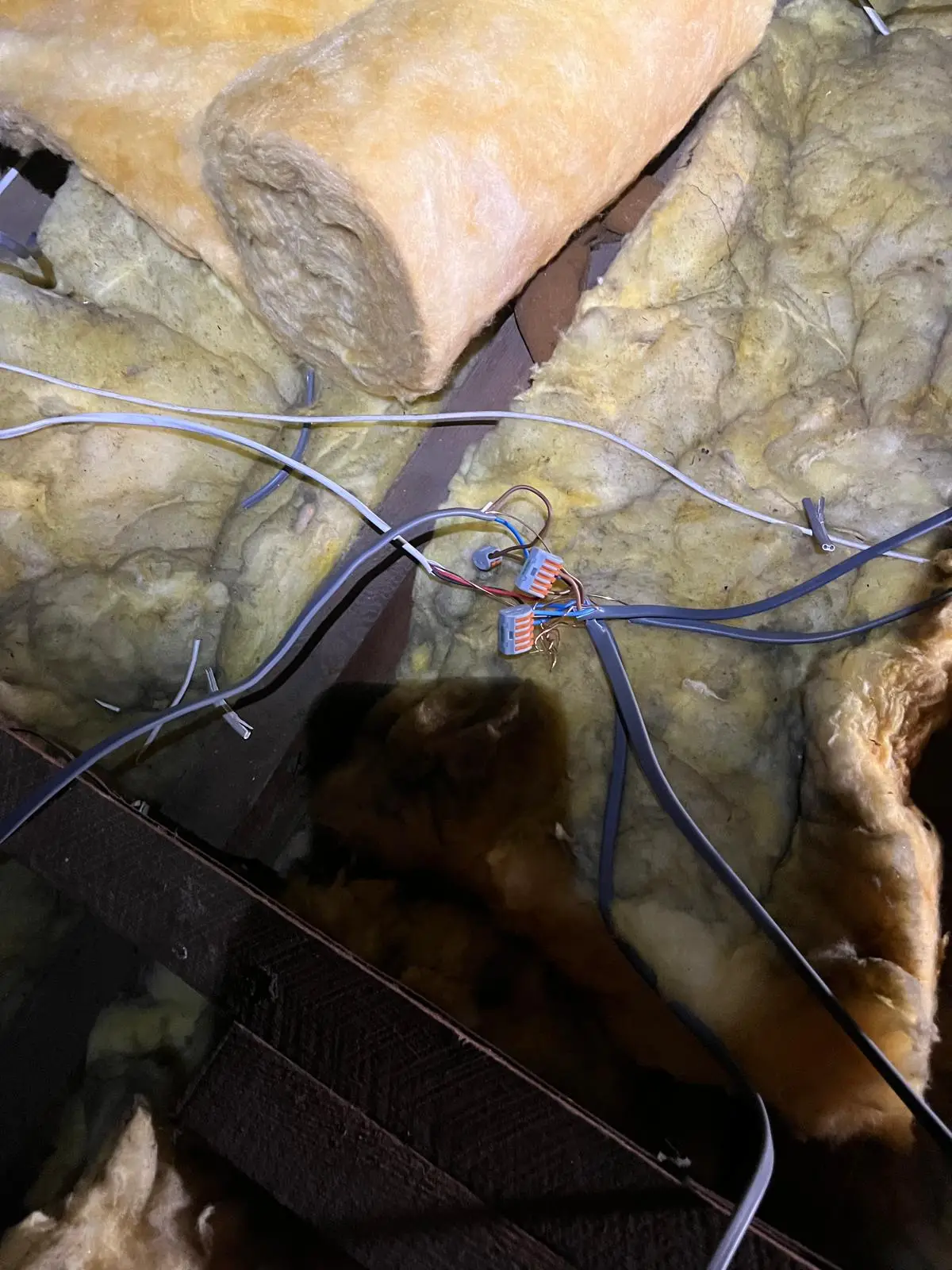
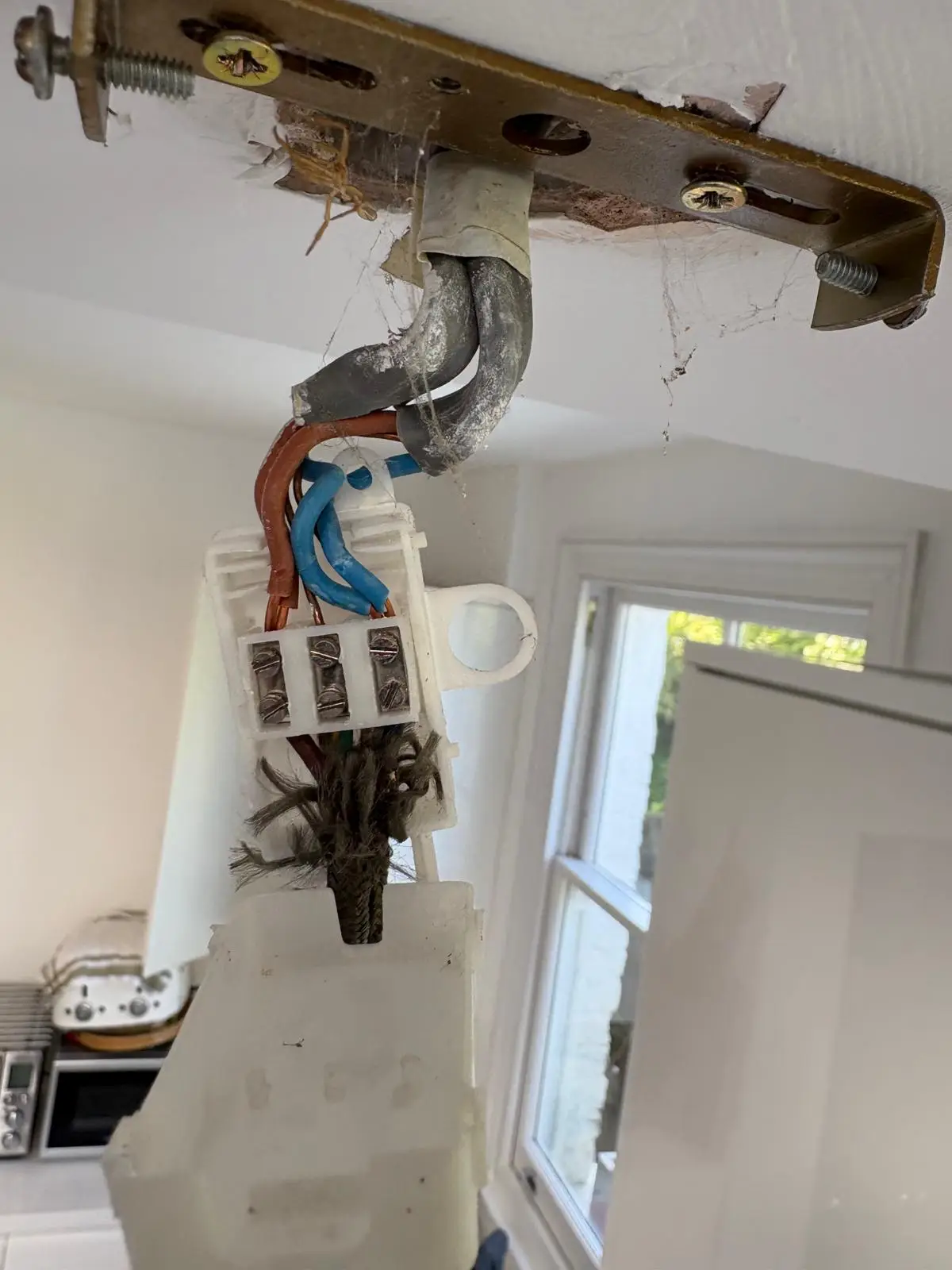
Consider an inspection if you do not know when the electrics were last checked, have noticed repeated faults or are planning substantial changes to the property. If you rent out a home, separate legal inspection requirements apply.
Arrange an Electrical Inspection
Bring it Ohm Electrical Solutions can inspect and test your home’s electrical installation, explain any findings and quote for work that is needed.