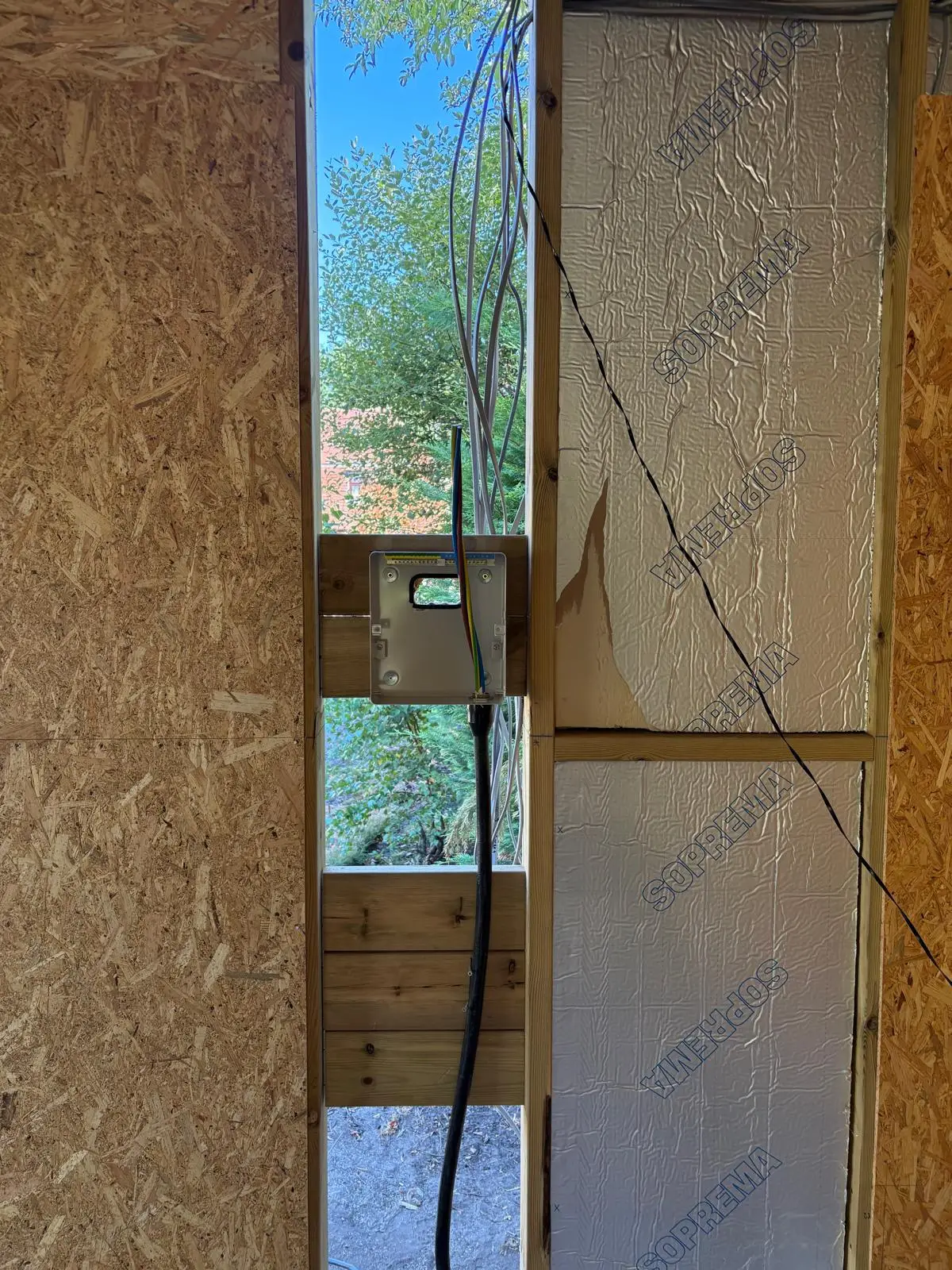
Electrical Fault Finding in Walton-on-Thames
Persistent circuit breaker trips, flickering lights, dead power sockets, or a faint buzzing sound from your fuse box point to an underlying electrical defect. Bring it Ohm Electrical Solutions provides methodical, safety-led electrical fault finding across Walton-on-Thames and surrounding areas. Dealing directly with Paul, a fully qualified local electrician, you receive a thorough investigation that pinpoints the root cause of the issue, clear technical guidance explained in plain English, and upfront quotations for any necessary remedial repairs.
- Fully insured local service
- Calibrated diagnostic test equipment
- Direct communication with Paul from start to finish
- BS 7671 wiring regulations compliant

Fault Finding Request
What Electrical Fault Finding Involves
Electrical fault finding is the systematic investigation of a circuit or electrical component to discover why it is failing to operate safely or consistently. Rather than resetting a breaker and hoping the problem disappears, Paul isolates the affected section of the electrical installation and uses specialised test equipment alongside visual checks to trace the defect.
Because electrical faults can stem from hidden wiring, worn components, or external factors like damp, every investigation adapts to the symptoms observed:
-
Initial Circuit Assessment: Checking the consumer unit (fuse box) to determine which protective devices (such as MCBs, RCDs, or RCBOs) have tripped or failed.
-
Physical & Visual Inspection: Examining accessible accessories, lighting fittings, junction boxes, switch terminals, and visible cabling for loose connections, heat damage, or moisture.
-
Instrument Testing: Using calibrated multi-function testers to measure continuity, insulation resistance, and circuit polarity.
-
Equipment Isolation: Disconnecting fixed appliances or plugged-in equipment systematically to confirm whether the problem lies within the permanent property wiring or an external appliance.
Paul takes care to minimise disturbance to your home while working logically through the circuit to confirm the exact source of failure before suggesting any repair.
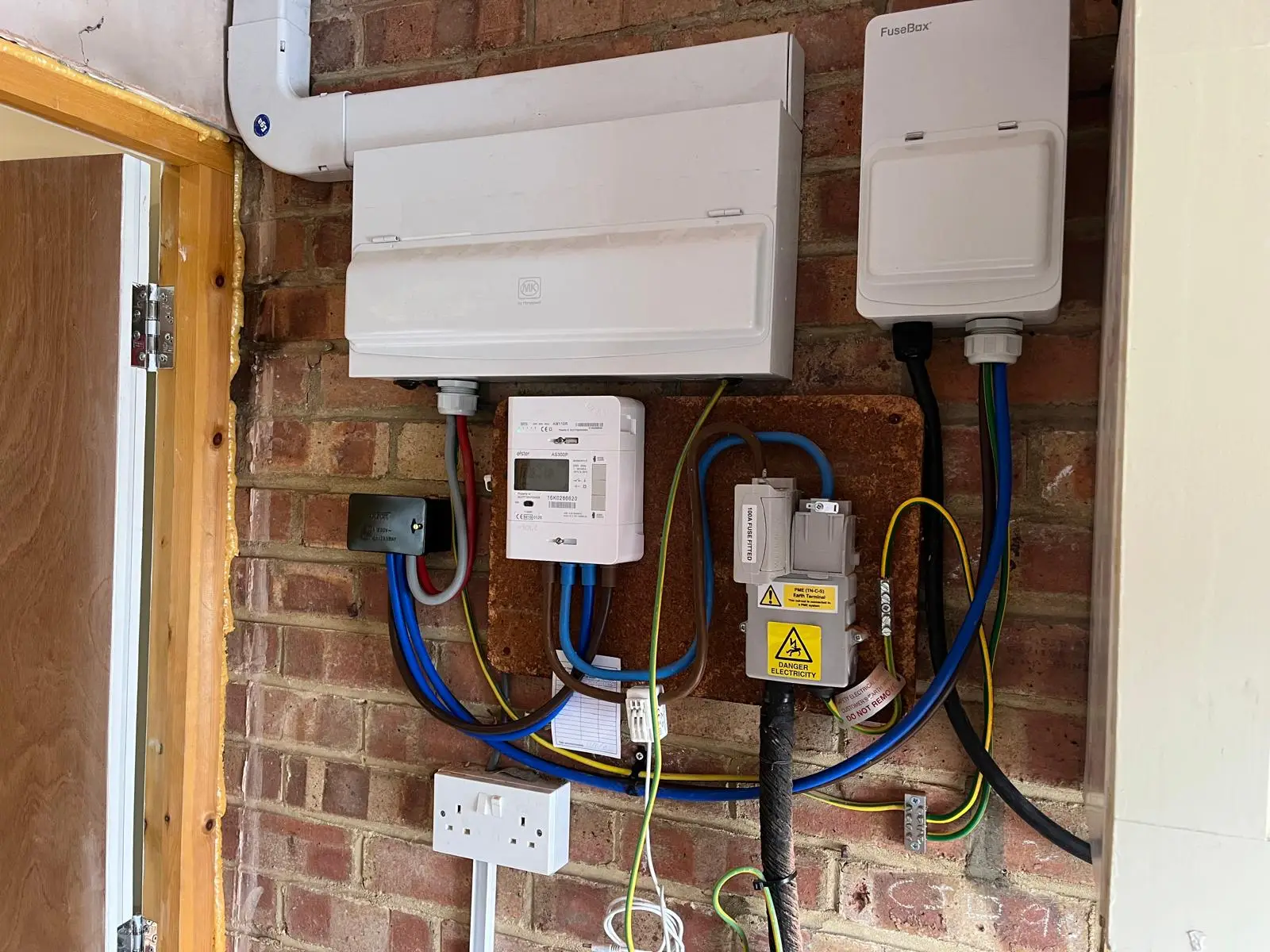
Electrical Problems Paul Can Investigate
Faults often announce themselves through disruptive or concerning symptoms. Paul investigates a wide spectrum of domestic electrical issues, including:
Recurring RCD or Circuit Breaker Tripping
Residual Current Devices (RCDs) and Miniature Circuit Breakers (MCBs) protect your home against electric shocks and overloads. If a switch trips immediately upon reset, or cuts out several times a day, Paul determines whether it is responding to a dangerous earth leakage fault, an overloaded circuit, or a failing component.
Partial or Complete Loss of Power
When an entire room, an outbuilding, or a bank of wall sockets suddenly goes dead while other parts of the home remain active, it usually indicates a broken connection, a severed cable, or an isolated blown fuse. Paul traces the circuit pathway to locate the point of failure.
Dead Sockets and Non-Responsive Switches
If a single socket outlet ceases to supply power, or a light switch fails to operate a fitting, the issue may involve a worn internal mechanism, loose screw terminals, or a break in the ring final circuit.
Persistent Flickering or Dimming Lights
Flickering across LED fittings or incandescent bulbs can stem from loose conductor terminations, faulty dimmer modules, or voltage drop on a heavily loaded circuit.
Intermittent Electrical Faults
Intermittent problems occur unpredictably, often triggered by temperature changes, heavy rainfall, or specific combinations of appliances running simultaneously. Paul uses targeted stress tests and progressive circuit isolation to track down these elusive defects.
Faults Following Renovation or Building Work
Punctured cables behind newly hung plasterboard, screws driven through floorboards into ring cables, or altered circuits left without proper earthing often cause immediate problems once contractors leave. Paul inspects altered circuits to identify hidden installation damage.
Signs of Overheating, Buzzing, or Burning Smells
Faint fishy smells, sizzling or buzzing noises near switches or the consumer unit, and scorched or warm socket faceplates indicate high resistance connections or arcing. If you notice any of these symptoms, stop using the affected circuit immediately and call Paul promptly for advice, rather than submitting a routine booking enquiry.
Customer Reviews
"Paul came and quoted for some electrical work I needed doing very quickly. He’s very pleasant and straightforward to deal with and the work has been completed to a high standard. I would definitely use Paul again."
"Great communication, arrived on time, very quick, efficient and clean, will use again"
"Highly recommend Paul for any electrical work. He was clear and upfront about everything from the start, turned up when he said he would, and completed the job to a really high standard. Professional, reliable, and great quality workmanship. Would definitely use him again."
"Paul at Bring It Ohm Electrical Solutions is great. He’s friendly, honest, reliable, and takes the time to explain everything clearly, which I really appreciated. It’s refreshing to find someone you can genuinely trust. I wouldn’t use anyone else for electrical work going forward and would highly recommend his business."
"Paul installed an extended a plug for us inside our kitchen cabinet and the whole experience was great! He arrived on time, was kind, communicative, and completed the work to a high standard. Everything was left tidy and neatly finished, and we’ll be continuing to use his services from here, on out. Thank you Paul!"
"Paul was extremely accommodating and worked in a tidy clean professional manner, he fitted a EV Charger in the exact way requested and although we hit some issues along the way his communication and patience was spot on. Thank you very much Paul"
"Fixed a problem with my fuse box the same day - friendly and reliable. Would recommend!"
Why Identifying the True Cause Matters
Treating only the symptom of an electrical fault frequently leads to repeat failures and safety hazards. For instance, repeatedly resetting a tripping breaker without identifying the underlying earth fault weakens the breaker mechanism and risks prolonged overheating behind walls.
A proper diagnostic procedure delivers several key advantages:
-
Targeted, Cost-Effective Repairs: Replacing a perfectly sound socket will not fix an issue caused by rodent-damaged cable under the floor. Pinpointing the actual fault prevents unnecessary parts replacement.
-
Preventing Repeat Callouts: Finding out precisely why a protective device tripped ensures the underlying risk is eliminated rather than temporarily masked.
-
Informed Safety Decisions: An inspection clarifies whether a problem is an isolated component failure or an indicator of wider degradation across an ageing circuit.
While many faults can be pinpointed within the initial diagnostic visit, complex or multi-layered faults may require deeper, progressive investigation. Paul explains the findings at each stage so you always understand what has been discovered and what is needed next.

Possible Causes of an Electrical Fault
Identical symptoms do not always share the same underlying cause. A tripped RCD, for example, can be triggered by a faulty kettle element, water dripping into an outdoor security light, or a deteriorated cable beneath a bathroom.
Common root causes discovered during investigation include:
-
Loose Connections
Natural thermal expansion, contraction, or historical vibrations can loosen terminal screws inside switches, sockets, and distribution boards, leading to high resistance and heat.
-
Insulation Damage
Ageing cable sheathing, heat exposure, or physical damage can degrade the PVC insulation surrounding conductors, permitting current to leak between live, neutral, and earth wires.
-
Moisture Ingress
Water entering external lighting, garden sockets, sub-floor areas, or roof voids creates short circuits and earth leakage faults.
-
Component Wear and Failure
Switches, RCBOs, transformers, and extractor fans have finite lifespans and eventually break down internally.
-
Damaged Cabling
Cables inadvertently pierced by DIY fixings, crushed under floor joists, or chewed by pests create open circuits or intermittent short circuits.
-
Connected Equipment Deficiencies
Often, property wiring is completely sound, and the tripping fault is caused by a failing compressor in a fridge-freezer or a degraded heating element in an immersion tank.
Paul tests both the fixed electrical installation and the interface with connected loads to establish the true culprit.
Paul’s Fault Finding Process
Investigations follow a structured, safety-first methodology designed to find the problem efficiently while keeping you fully informed:
-
1
Discussing the Symptoms
Paul begins by listening to your account of the problem. Details about when the fault first appeared, what appliances were in use, and whether recent weather or building work preceded the event help narrow down the search area.
-
2
Initial Physical Inspection
Before unscrewing fittings, Paul checks the consumer unit and affected areas. He looks for visual signs of distress, including heat discolouration, loose fittings, signs of water penetration, and improper fuse ratings.
-
3
Safe Isolation and Instrument Testing
The circuit is safely isolated from the mains supply. Using calibrated instruments, Paul conducts specific electrical tests::
-
Continuity Testing: To verify whether conductors form an unbroken loop and that protective earth conductors are intact.
-
Insulation Resistance Testing: Applying test voltages to identify whether electrical current is leaking across damaged insulation to earth.
-
Polarity Checks: Ensuring switches and protective devices are connected into the line conductor as required by British Standards.
-
Earth Fault Loop Impedance: Measuring the resistance of the earth path to confirm that protective devices will disconnect quickly enough during a fault.
-
-
4
Explaining the Findings
Once testing isolates the fault, Paul walks you through what has gone wrong. He explains the issue in clear, accessible terms, avoiding confusing technical jargon.
-
5
Clear Quotation and Next Steps
If the fault can be resolved with a straightforward adjustment or minor component replacement on the spot, Paul explains the options. If the repair requires replacement cabling, specialist parts, or floor access, he provides a clear, written quotation for the necessary remedial work before proceeding.
Fault Finding and EICRs: Which Service Do You Need?
Homeowners often ask whether they need targeted fault finding or an Electrical Installation Condition Report (EICR). Choosing the correct service saves both time and cost.
| Service Characteristic | Electrical Fault Finding | Electrical Installation Condition Report (EICR) |
|---|---|---|
| Primary Purpose | Electrical Fault Finding Investigates a specific existing fault or symptom (e.g. tripping breaker, power loss). | Electrical Installation Condition Report (EICR) Provides a comprehensive health check of the entire property's electrical system. |
| Scope of Work | Electrical Fault Finding Focused directly on the affected circuit, its protective devices, and related accessories. | Electrical Installation Condition Report (EICR) Samples circuits, earthing, bonding, and consumer units across the whole property. |
| When to Book | Electrical Fault Finding When something is broken, tripping, dead, buzzing, or behaving abnormally. | Electrical Installation Condition Report (EICR) For property sales, tenancy changes, routine 5-10 year periodic checks, or mortgage requirements. |
| Final Output | Electrical Fault Finding Clear diagnosis of the defect with a quotation for repair. | Electrical Installation Condition Report (EICR) Formal multi-page report grading the installation as Satisfactory or Unsatisfactory. |
If you have a circuit that will not turn on or a breaker that keeps tripping, fault finding is the appropriate starting point. If you require a formal assessment of the whole home for safety or legal compliance, Paul can schedule a full EICR.
Testing, Repairs, and Documentation
Once the root cause is identified and you approve the repair quotation, the corrective work is completed to current UK standards.
All electrical repair work carried out by Bring it Ohm Electrical Solutions complies with BS 7671 (Requirements for Electrical Installations). Following any repair, Paul re-tests the modified section of the circuit to verify that:
- The fault condition has been successfully eliminated.
- Earth continuity and loop impedance meet safe disconnection parameters.
- Polarity is correct across all affected terminals.
- Insulation resistance values exceed required safety thresholds.
Appropriate certification is provided where required for the work carried out.
For extensive remedial work, such as installing a brand new circuit or changing a consumer unit, an Electrical Installation Certificate (EIC) is issued alongside Building Regulations Part P notification where legally required.
Our Electrical Fault Finding Service Areas
Based in Walton-on-Thames, Bring it Ohm Electrical Solutions provides dedicated electrical fault finding across Elmbridge and immediate local communities:
- Walton-on-Thames
- Hersham
- Weybridge
- Esher
- Claygate
- Cobham
- Oxshott
- East Molesey
- West Molesey
Because Paul operates locally within these specific towns, travel times are short and scheduling is straightforward.
Why Choose Bring it Ohm Electrical Solutions for Fault Finding
Diagnosing electrical issues requires patience, analytical thinking, and genuine attention to detail. Homeowners across Elmbridge rely on Bring it Ohm Electrical Solutions for clear advantages:
-
Direct Contact with Paul: You deal directly with the qualified electrician who visits your home, tests your system, and carries out the work. Nothing is lost through call handlers or third-party contractors.
-
Methodical Investigation: Paul does not guess or apply quick, temporary fixes that fail days later. Circuits are tested methodically using calibrated equipment.
-
Transparent Pricing: Diagnostic time and subsequent repair quotes are explained openly before any work begins, leaving you in complete control.
-
Clear Explanations: You will always be told what the fault is, why it occurred, and what options exist to repair it in plain English.
-
Respect for Your Home: Work areas are kept clean, dust sheets are used where needed, and furniture or fittings are handled with care.
Frequently Asked Questions
Why does my RCD keep tripping?
An RCD trips because it detects an imbalance between the live and neutral currents, which usually indicates electricity leaking to earth through damaged cable insulation, moisture, or a failing appliance. In some cases, cumulative earth leakage from several modern electronics or a mechanically worn RCD mechanism can also cause repeated tripping.
What should I tell Paul before a fault finding visit?
Tell Paul what symptoms occurred, which switches or breakers tripped, what appliances were running at the time, and whether any recent DIY, plumbing, or building work took place. Knowing whether the tripping occurs randomly or when a specific appliance turns on helps narrow down the diagnostic checks.
How are intermittent electrical faults investigated?
Intermittent faults are investigated through progressive circuit isolation, visual examination of terminals for heat stress, and insulation resistance testing. While an intermittent fault may not be active at the time of testing, this methodical approach helps narrow down the search area and often highlights deteriorated sections of the installation.
What happens when the fault is found?
Once the fault is located, Paul explains what failed, demonstrates why it caused your problem, and provides a clear quotation to repair it. If the remedy is simple and materials are on hand, it can often be rectified during the same visit; for more extensive repairs, a separate booking is scheduled.
When might I need an EICR?
You need an EICR when you require a formal, overall safety audit of your entire electrical installation, such as during a property purchase, at the start of a new tenancy, or every 5 to 10 years for general safety. An EICR is not designed to repair an active tripping circuit, but it will highlight safety non-compliances and age-related defects across all property circuits.
How are investigation and repair work quoted?
Investigation is typically charged based on the time required to test and locate the source of the issue, while any subsequent repairs, parts, and certification are quoted separately before work begins. This ensures you never pay for unexpected repairs without your prior approval.
Arrange an Electrical Fault Investigation
If you are dealing with a tripping breaker, dead sockets, or unexplained power issues in Walton-on-Thames or the surrounding Elmbridge area, contact Paul to arrange a diagnostic visit.
Call Paul directly on 07885 694524 or use the link below to describe your electrical problem and request an appointment.
Request a Fault Finding Visit