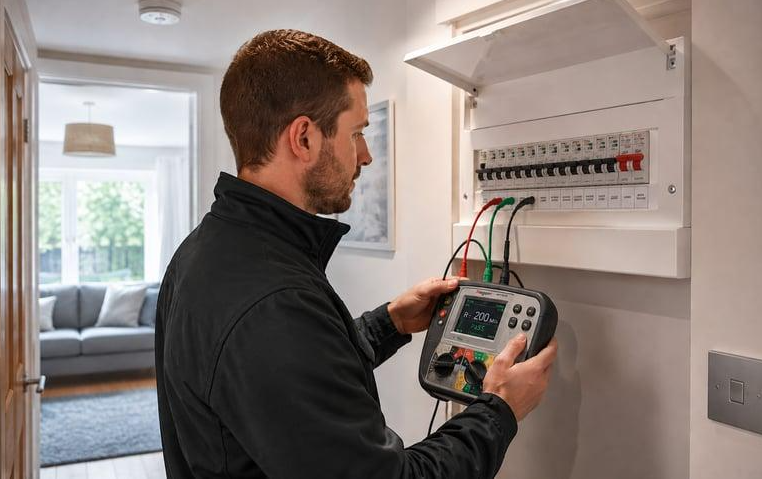
If your lights flicker when you switch on a kettle, washing machine or another appliance, the cause may be a temporary voltage drop, a loose electrical connection, faulty wiring or a problem with the appliance itself. Brief dimming can occur when equipment starts. Repeated or significant flickering needs investigation.
The pattern matters. Notice which appliance is running, whether one light or several rooms are affected, and whether the change lasts for a moment or continues. These details help an electrician find the cause.
What Happens When an Appliance Starts?
Appliances draw electrical current when they operate. Motors in washing machines, fridges and heating pumps can draw extra current as they start. This is called starting current or inrush current. It may cause a brief voltage drop in the wiring and connections supplying your home.
LED lights can be sensitive to changes in voltage because electronic drivers regulate their power. A kettle behaves differently: its heating element draws substantial current while it heats water. That load can also reveal a voltage drop. A short, small change in brightness does not automatically indicate a fault, but persistent flickering deserves attention.
Seven Reasons Your Lights May Flicker
1. A temporary voltage drop
When an appliance starts or draws substantial current, voltage can dip briefly. If the lights immediately return to normal, the change may be minor. If they repeatedly dim, stay dim or pulse throughout the appliance cycle, ask an electrician to investigate.
2. Loose electrical connections
Connections inside sockets, switches, junction boxes and consumer units can deteriorate or become loose. A poor connection can increase electrical resistance, causing voltage changes when current rises. It can also generate heat. Buzzing, discolouration or a burning smell needs urgent attention.
3. High demand on a circuit
Several appliances operating together increase electrical demand. A kettle, toaster and microwave may draw considerable current. However, flickering alone does not prove a circuit is overloaded. UK homes often have separate lighting and socket circuits, so a shared connection or incoming supply may be involved.
4. Damaged or ageing wiring
Physical damage, unsuitable alterations and deteriorating cable terminations can cause intermittent faults. Flickering may accompany unexpected power loss or repeated protective device trips. Testing establishes whether a local repair or more extensive electrical work is appropriate.
5. Faulty LED drivers or dimmers
A single flickering LED may indicate a failing lamp, driver or incompatible dimmer. Several lights flickering together may point to a shared electrical issue. An electrician can assess the fittings and the supply before recommending replacement.
6. A faulty appliance
A defective motor, internal connection or control component can create unusual current demand. If flickering occurs only with one appliance, note exactly when it happens. Stop using the appliance if it sparks, smells of burning or repeatedly trips a protective device.
7. An incoming supply problem
Voltage fluctuations can originate outside your property. A damaged supply connection or neutral fault may affect several rooms. If some lights become unusually bright while others dim, seek urgent help. Contact your electricity network operator on 105 if you suspect a supply fault.
Why Do Lights Flicker With Particular Appliances?
Why do my lights flicker when i turn the kettle on?
A kettle uses a high power heating element. Noticeable dimming while it operates can indicate a voltage drop under load, especially if lights across several rooms are affected.
Why do my lights flicker when the washing machine starts?
A washing machine changes electrical demand when its motor starts, the drum changes speed or the heater operates. Tell the electrician which stage of the wash causes flickering.
Why do my lights flicker when the fridge compressor starts?
The compressor motor starts automatically to keep food cold. A brief flicker may coincide with its starting current. Severe dimming or difficulty starting warrants inspection.
Why do my lights flicker when i use the electric shower?
Electric showers draw high current and normally have dedicated circuits. Significant dimming can require checks of the shower circuit, shared connections and incoming supply.
Why do my lights flicker when the central heating starts?
Heating pumps, fans and controls can change electrical demand. Repeated flickering or tripping may need an electrician or suitably qualified heating engineer.
Does It Matter Which Lights Flicker?
Yes. The location of the flickering can help identify the area that needs testing.
| What you notice | Possible cause |
|---|---|
| One LED light | Lamp, driver, dimmer or local connection |
| Several lights in one room | Shared lighting circuit or connection |
| Lights dim when the kettle starts | Voltage drop when electrical demand rises |
| Lights flicker when washing machine runs | Starting current, appliance fault or supply issue |
| Lights across the house flicker | Shared connection or incoming supply |
| Some lights brighten while others dim | Possible serious neutral or supply fault |
| Flickering with buzzing or burning smell | Possible overheating or damaged equipment |
These symptoms provide clues. Inspection and electrical testing are needed to confirm the cause.
When Are Flickering Lights Dangerous?
Flickering can indicate a dangerous fault when it occurs with other warning signs. Loose connections can generate excessive heat, and some supply faults can cause significant voltage changes.
- Burning smells, sparking or crackling from electrical fittings
- Buzzing or unusual heat at sockets, switches or the consumer unit
- Repeated circuit breaker or RCD trips
- Lights suddenly becoming much brighter or dimmer
- Frequent power interruptions or worsening flickering
Stop using affected equipment if it is safe to do so and seek urgent electrical advice. Do not open sockets or consumer units yourself. For further information, see Electrical Safety First’s home safety guidance.
What Can You Check Safely?
You can gather useful information without touching the wiring. Note which appliance triggers the flickering, how long it lasts and whether one room or the whole house is affected. Record any unusual noise, smell or protective device trips. If neighbours experience the same issue at the same time, a wider supply problem may be involved.
Avoid repeatedly testing an appliance that shows signs of damage or overheating. An electrician can investigate with appropriate equipment and safe isolation procedures.
How Does an Electrician Find the Cause?
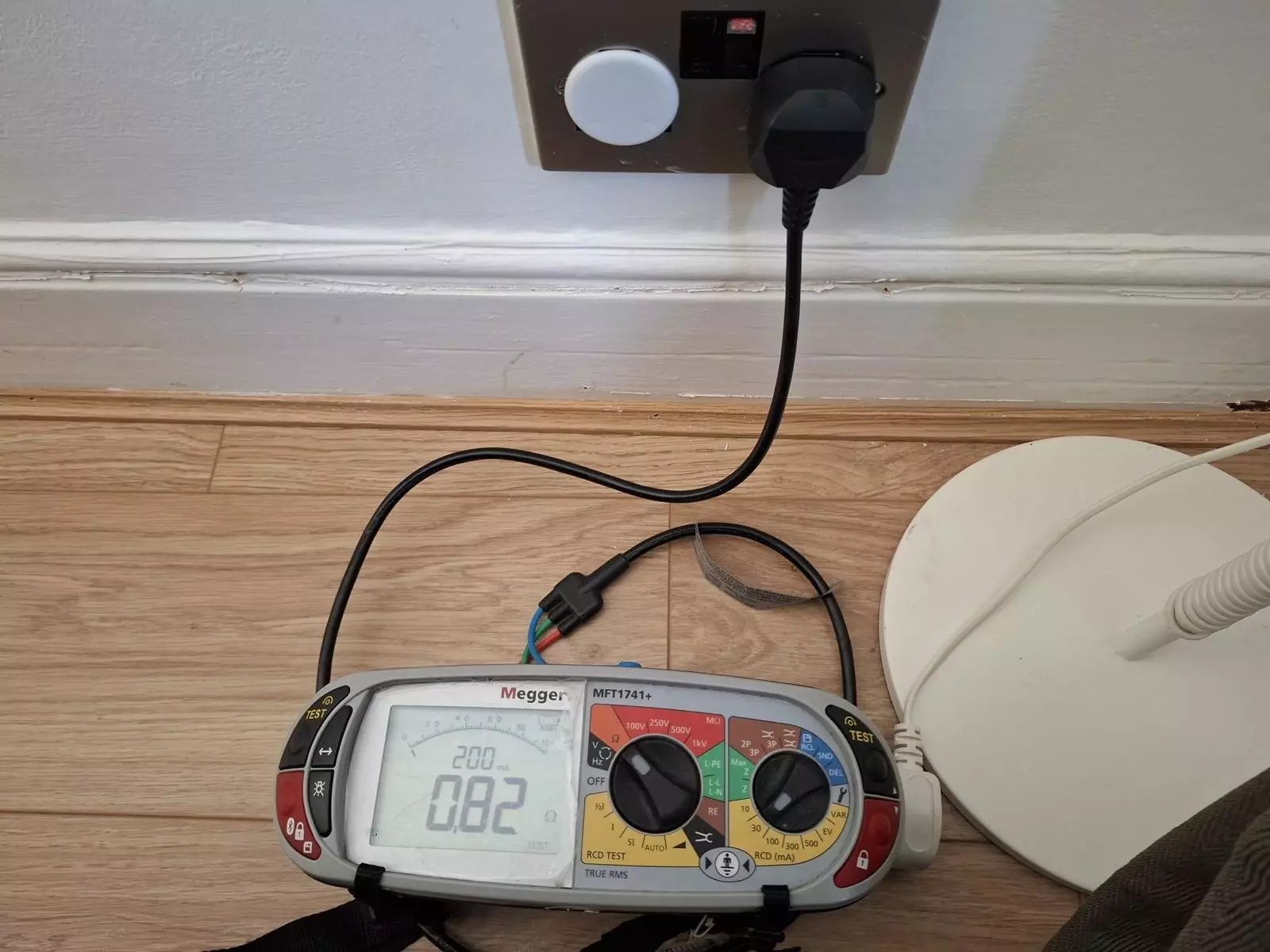
Fault finding starts with understanding when the problem occurs. The electrician may inspect accessible connections, check the consumer unit, measure voltage under load and test relevant circuits. Depending on the symptoms, tests may include continuity, insulation resistance, polarity and protective device checks.
The results help distinguish a faulty fitting, an appliance problem, a wiring defect and a supply issue. Electrical inspection and testing should follow applicable requirements in BS 7671.
What Electrical Repairs Might Be Needed?
Repairs may involve correcting a loose connection, replacing a damaged socket or switch, repairing a cable, changing a faulty LED driver or investigating an appliance. Suspected incoming supply faults may need referral to the electricity network operator.
Flickering alone does not mean you need a new consumer unit or a complete rewire. If testing identifies widespread wiring deterioration, our house rewiring service explains when more extensive work may be appropriate.
Real Electrical Fault Finding Experience in Hampton
During remedial work following an unsatisfactory EICR at a property in Hampton, Paul investigated high resistance connections within a downstairs socket circuit. The initial resistance reading was 37.6 ohms. After corrective work, the reading fell to 0.58 ohms.
This project concerned EICR remedial work rather than a confirmed flickering lights complaint. It shows why electrical testing matters when connection faults are not immediately visible.
Frequently Asked Questions
Is it normal for lights to dim when an appliance starts?
A small, brief change in brightness can happen when an appliance draws additional current. Significant or repeated dimming, especially across several rooms, should be investigated.
Why do LED lights flicker when appliances switch on?
LED drivers can respond to voltage fluctuations. Faulty drivers, incompatible dimmers or poor electrical connections may also be responsible.
Can a loose neutral connection cause flickering lights?
Yes. A loose neutral can cause unstable voltage. Unusual brightening and dimming across the home requires urgent professional advice.
Why do all the lights in my house flicker together?
A shared connection or incoming supply problem may affect several circuits simultaneously. An electrician can assess the installation and advise if the network operator should be contacted.
Can an overloaded circuit make lights flicker?
High electrical demand can contribute to voltage drops, but flickering alone does not confirm an overloaded circuit. Testing is needed.
Should I call an electrician if my lights only flicker occasionally?
Arrange an inspection if flickering repeatedly coincides with appliance use, affects several lights or gets worse. Seek urgent help if you notice signs of overheating.
Can flickering lights damage appliances?
Severe voltage fluctuations can affect sensitive electronic equipment. A minor change in lamp brightness does not prove damaging voltage levels are present.
Do I need a new consumer unit if my lights flicker?
Not necessarily. The cause may be a lamp, connection, appliance or incoming supply. Any replacement recommendation should follow inspection and testing.
Further Electrical Advice
For related reading, see our garden lighting ideas article, or read about house rewiring if you are concerned about the condition of older wiring.
Electrical Fault Finding in Weybridge and Surrounding Areas
Bring It Ohm Electrical Solutions is based in Weybridge and works in Walton-on-Thames, Hersham, Cobham and nearby areas. Paul investigates flickering lights, faulty sockets, repeated circuit breaker trips and intermittent power loss.
If you have noticed flickering when an appliance starts, explain when it happens and which lights are affected. This gives the electrician a useful starting point for the investigation.
Need Help With Flickering Lights?
Contact Bring It Ohm in Weybridge to discuss the symptoms and arrange an electrical fault investigation.